All Categories
Featured
Table of Contents
: may focus on patient access and remote monitoring. A digital improvement technique isn't a list it's a vibrant technique that links where your organization is today with where it needs to go.
Digital improvement techniques are increasingly shaped by the larger shifts happening around us. There's still high demand for remote work, digital partnership, and seamless online experiences, whether it's virtual healthcare, digital banking, or on-demand services.

Companies have actually needed to reconsider their operations and offerings to meet this brand-new reality: techniques should show that shift. At the same time, synthetic intelligence (AI) has actually moved from being a buzzword to an important part of digital transformation technique. Roughly 75% of all companies are currently using AI in some capability, which number will grow.
Evaluate information at scale. Provide more personalized and intelligent services. The most effective transformation techniques now treat AI and post-pandemic behaviors not as short-term trends, however as permanent motorists of development. Remaining pertinent methods staying adaptive and that begins with acknowledging just how much the landscape has actually changed. Start by concentrating on service impact, not technology for innovation's sake.
Boosting ROI Via Cloud-First AI Approaches
Digital improvement happens across every market, from retail and logistics to healthcare and federal government. Once an eCommerce shop, Amazon has ended up being a tech giant spanning retail, cloud computing, streaming, and wise home innovation.

Released in 2005, Amazon Prime reset consumer expectations for online shopping, making quick, reputable, low-priced shipment the new standard. These robots deal with tasks like finding, recovering, and transporting inventory, increasing efficiency and enabling over 700,000 workers to move into higher-value functions.
Enhancing Australian Operations Utilizing Purpose-Built AI ClustersAn AI-powered system that enhances shipment paths and powers real-time customer tracking. Digital change isn't limited to personal business.
Video consultations became standard, decreasing the need for in-person check outs while enhancing convenience for clients. Several healthcare facilities launched "virtual wards," where clients with persistent or less intense conditions could be remotely monitored through wearable gadgets that track crucial indications. This permitted them to remain in your home maximizing healthcare facility beds for more urgent cases and assisting staff focus resources more efficiently.
Exploring the Future of Enterprise Technology: Major Trends
Consumer and staff member expectations shift. Whether you're improving operations, enhancing customer experiences, or modernizing your infrastructure, the goal stays the same: to adjust, enhance, and remain appropriate.
Strategies differ by objective but normally consist of enhancing operational efficiency, improving client experience, enabling the labor force, and reinforcing cybersecurity. Common risks include uncertain objectives, absence of executive assistance, employee resistance, combination concerns, and underestimating the needed financial investment. Industries like health care, finance, retail, and logistics have actually been especially changed, using digital tools to modernize services, increase dexterity, and fulfill developing customer needs.
Digital change is no longer optionalit has ended up being a necessity for services intending to remain competitive in 2026. Organizations throughout industries are investing in modern technologies to enhance efficiency, improve customer experience, and drive innovation. One of the crucial motorists of digital change is the requirement for dexterity. Services need to rapidly adapt to changing market needs, and digital tools enable them to do so effectively.
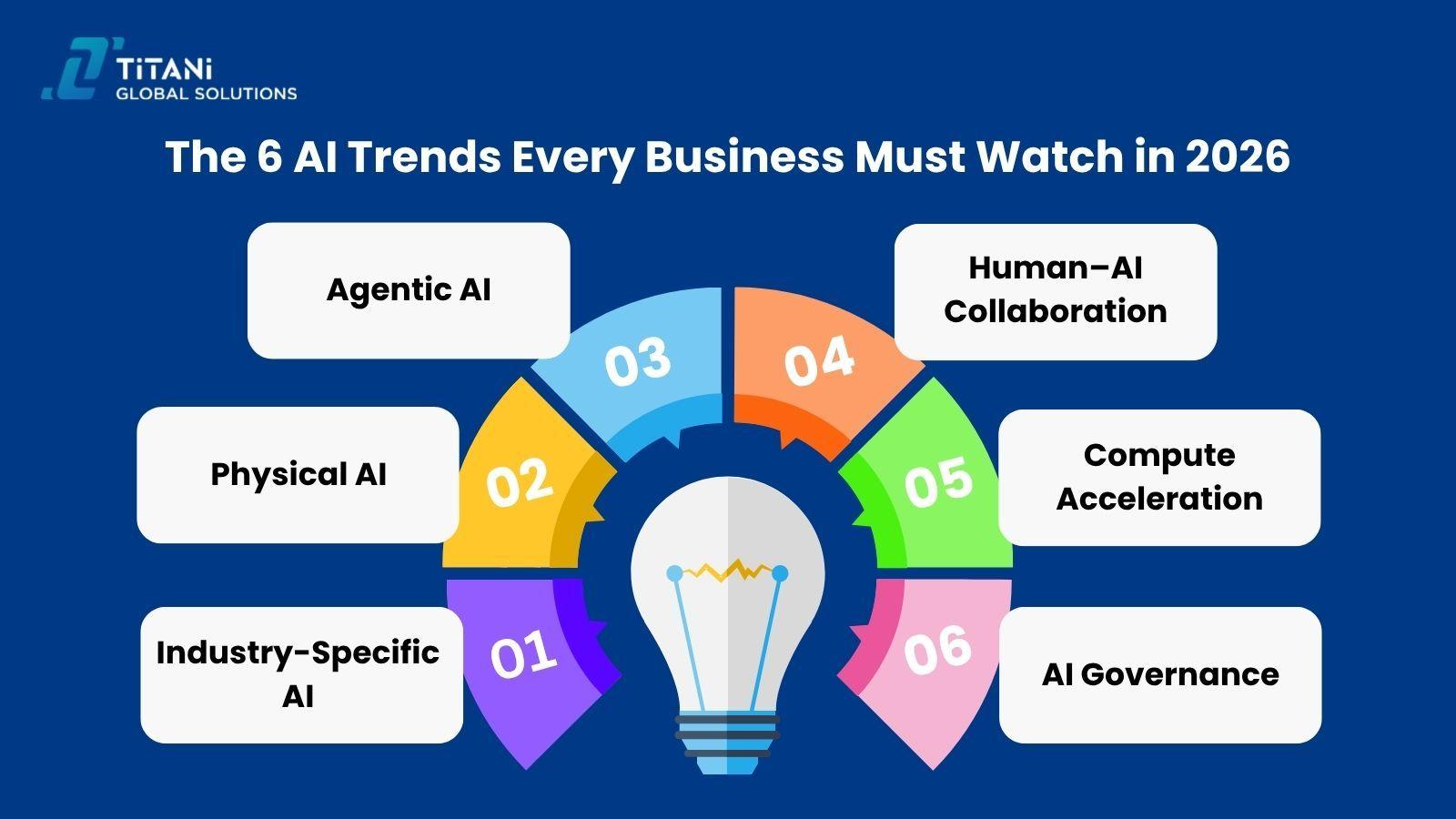
Another significant aspect is client expectations. Today's customers require seamless, tailored, and fast experiences. Business that fail to fulfill these expectations risk losing market share. Digital transformation assists services deliver enhanced consumer journeys through sophisticated analytics, mobile applications, and integrated platforms. Cost efficiency is also a considerable benefit. By automating recurring tasks and optimizing workflows, companies can decrease operational costs and enhance efficiency.
At ShiftCode Analytics Inc., we help services navigate their digital improvement journey by offering scalable IT solutions, cloud services, and professional consulting. Our approach ensures that organizations not only embrace brand-new innovations however likewise maximize their value. In summary, digital change empowers companies to innovate, grow, and remain ahead in a competitive environment.

Latest Posts
Cloud-Native and Legacy Architectures Compared
Why Intelligent Cloud Convergence Matters in 2026
Mastering the Intersection of AI and Digital Platforms