All Categories
Featured
Table of Contents
In other locations, security issues and low confidence limit what people can use, which holds AI back. Lots of organizations have actually turned to Microsoft AI solutions to meet these difficulties.
Produce an AI technique that fits your company requirements by working through the choices in the following sections in sequence. This action specifies how choice makers find where AI can enhance service results across the organization.
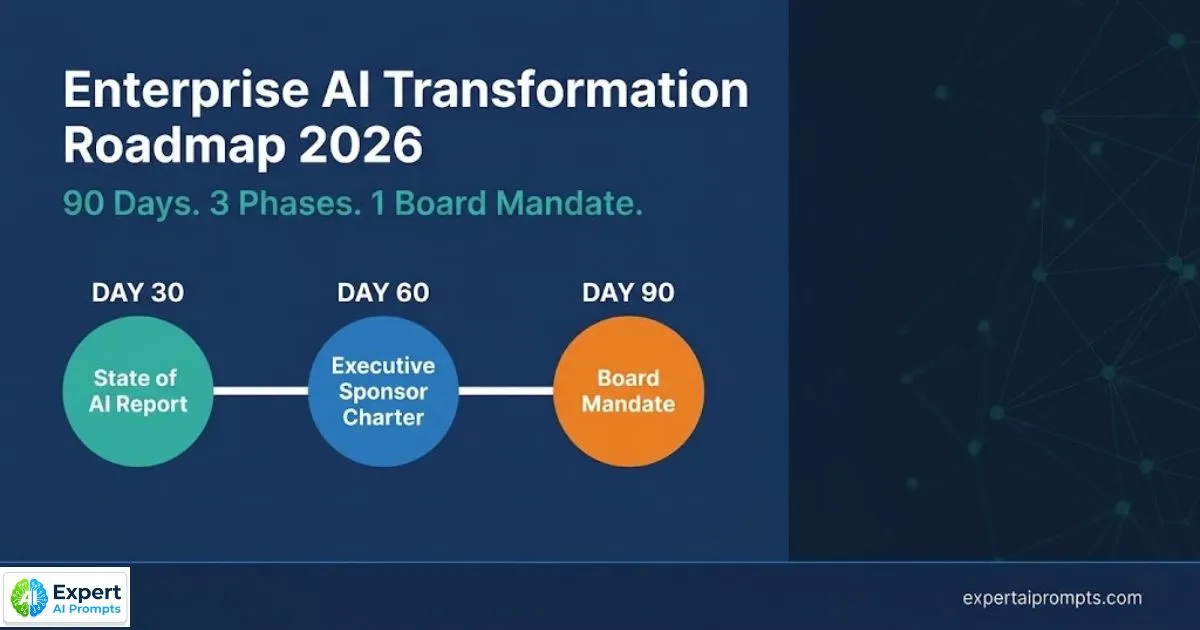
Its function is to provide everybody a common view of what matters most to the organization. Look for where the company needs better outcomes before you consider AI at all.
How Deep Integration Is Crucial for 2026
Frame the search in plain terms such as "where do results miss expectations" or "where do individuals invest time on repetitive tasks." This method keeps AI pointed at value rather than novelty. Tradeoff: A broad scan surface areas numerous opportunities, so stay concentrated on the result spaces that are both quantifiable and significant.
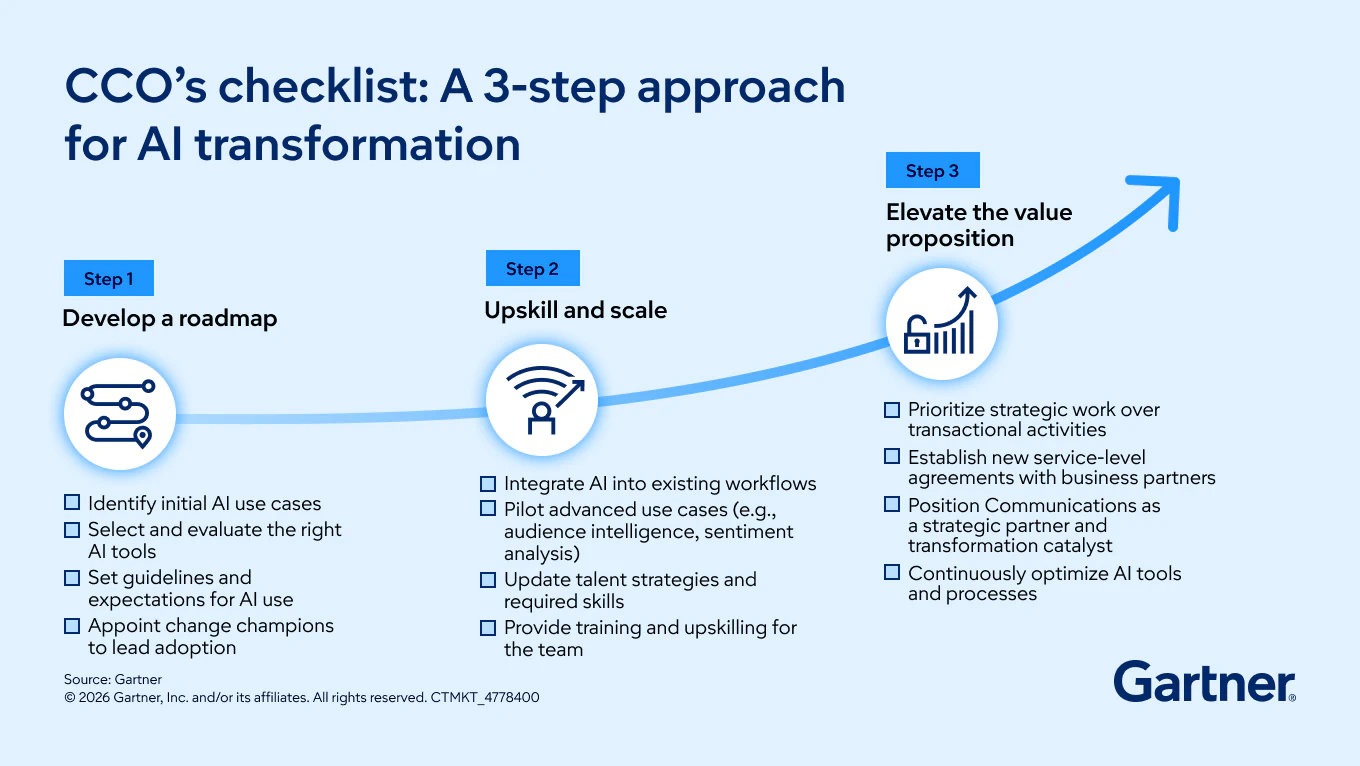
Classify each use case based on how it produces value. These utilize cases enhance how individuals or teams work inside existing tools.
These use cases change how the organization operates or delivers worth. Examples include automated consumer routing or need forecasting. They frequently require integration with other systems and can combine more than one AI type. This is a factor to consider, not a last choice, and you can review it as the usage case ends up being clearer.
Ways to Create a Scalable AI Adoption RoadmapYou have the freedom to change it later. produces outputs that can differ even for the same input, and it works well when inputs are unstructured such as natural language or files. It fits cases where the workflow isn't fixed and where you want the system to develop content or assist a human choice.
Apply this same series throughout every service location. A repeatable circulation decreases confusion, avoids you from reaching for generative AI where it isn't required, and prepares you to select a service path next.
Is AI-Cloud Integration Is Essential for Modern Business
Microsoft uses 4 adoption designs that trade personalization for simpleness under a shared obligation method. They are ready-to-use Copilots, low-code SaaS development, handled PaaS advancement, and Azure facilities. As you move from the first model to the last, you acquire control and offer up speed. Each approach needs a various level of technical skill and returns a various degree of control.
Utilize the following guidance to weigh 4 factors for AI solution: Evaluation the capabilities of Microsoft and Azure AI solutions to see if they fulfill the needs of your use case. Verify the required information exists and is available for the circumstance. Validate that each usage case is possible with existing abilities before you pick a solution.
Microsoft ready-to-use AI options, called Copilots, raise efficiency quickly because they need little setup and deal with data you already have. Microsoft 365 Copilot adds AI assistance throughout Office apps. In-product and role based Copilots concentrate on particular job roles and industries.: Copilots provide the fastest results, however they use less customization than a custom-made option.
Business Apply protective level of sensitivity labels to Microsoft 365 information so protection follows the content. General IT and information management Role-based Copilots and representatives Role-specific help for Security, Sales representative, Service, and Financing representative. Company Yes. Data-connection and plug-in choices are available. General IT and information management Microsoft 364 Copilot gain access to or Security Calculate Systems (SCUs) for Security Copilot In-product Copilots and representatives AI inside items such as GitHub, Power Apps, Power BI, Dynamics 365, Power Automate, Microsoft Material, Microsoft Entra, and Azure.
Capturing Value Through Transformative Enterprise Modernization
Specific No None Free Microsoft offers SaaS advancement choices to construct AI agents. Copilot Studio lets organization users produce AI assistants with natural language, while Microsoft 365 Copilot extensions let you tailor business Copilot with company-specific information and processes.

Latest Posts
Cloud-Native and Legacy Architectures Compared
Why Intelligent Cloud Convergence Matters in 2026
Mastering the Intersection of AI and Digital Platforms